label
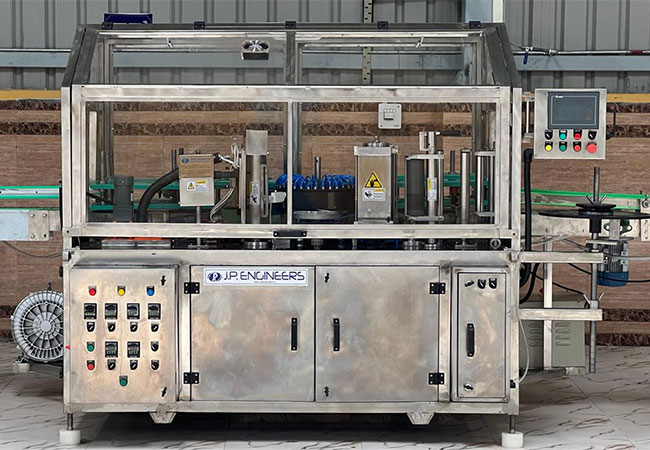
Key Features and Components:
- Labeling Head:
- The component that applies the label to the product.
- Can be adjusted for different label sizes and positioning.
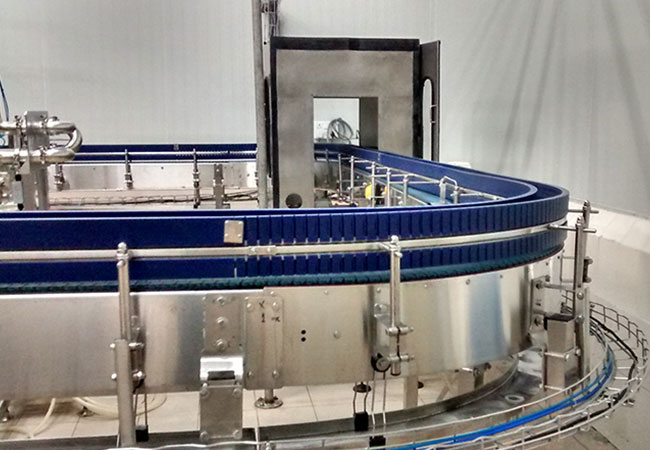
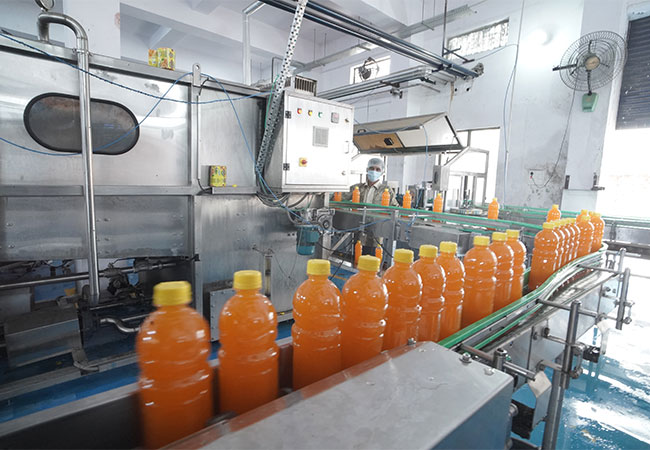
- Conveyor System:
- Moves products through the labeling machine.
- Often equipped with rollers or belts to guide the products to the labeling station.
- Label Dispenser:
- Feeds the labels from a roll or stack and dispenses them onto the product.
- Can accommodate different label formats (e.g., front-and-back, wraparound, or top labeling).
- Sensors and Detection Systems:
- These ensure that labels are applied accurately and consistently.
- Sensors can detect the position of the product, label, or both to align the label application properly.
- Label Applicator:
- The part of the machine that ensures the label is placed correctly onto the product.
- Can have features like rotary, tamp-blow, or air-blow mechanisms for different label types.
A labeling machine is an essential piece of equipment used to apply labels to products, packaging, or containers across various industries like food and beverage, pharmaceuticals, cosmetics, and chemicals. These machines come in different types, including manual, semi-automatic, and fully automatic versions, catering to various production scales. Manual machines require human intervention, while semi-automatic and fully automatic models can handle higher volumes with minimal operator input. Key components of labeling machines include the labeling head, conveyor system, label dispenser, and applicator, which work together to ensure accurate and efficient label placement. Labeling machines can apply a wide range of label types, such as front-and-back, wraparound, or top and bottom labeling, and they offer flexibility in handling different product shapes and sizes. The machines are equipped with sensors and detection systems to ensure precise label alignment, and modern models often feature user-friendly control panels for easy operation. Labeling machines increase productivity, reduce labor costs, and ensure consistency, making them a crucial asset in high-volume production lines. They are widely used in industries that require clear product identification and regulatory compliance, such as pharmaceuticals and food packaging.
Advantages:
- Increased Efficiency: Automates repetitive tasks and speeds up the labeling process.
- Consistency: Ensures that labels are applied uniformly every time.
- Cost-Effective: Saves on labor costs in the long run, especially for high-volume production.
- Flexibility: Can handle a variety of label sizes and types, as well as different product shapes.
- Scalability: Machines can be adjusted to accommodate higher volumes or different production lines.